
Would you like to change the market?
Select area of operation
You will be redirected to another page for the selected market
FAQ
Would you like to change the market?
Select area of operation
You will be redirected to another page for the selected market
    Our solutions
    Business sectors
    Partners
    Get in touch

    Blog

    Check our blog

    Learn more about the latest industry trends, changes in regulations and development opportunities for your company.
    30 October, 2024

    VAT in real estate transactions

    Understanding the rules that apply to the taxation of real estate transactions is essential for anyone operating in the market, whether investors,...

    28 February, 2025

    Omnibus package – incoming changes in ESG reporting

    The European Commission’s proposals to simplify ESG regulations as part of the so-called Omnibus Package published on February 26th 2025 have sparked...

    Latest

    • Invoicing in 2025 – changes to VAT invoices

      As of January 1, 2025, new VAT invoicing rules will come into effect due to amendments to the VAT Act. These changes introduce the SME procedure (Small and Medium Enterprises), allowing small businesses to benefit from VAT exemption across the entire European Union. Find out what conditions must be met to use this simplified procedure and what information must be included on a simplified invoice.

      Simplified Invoices for Small Businesses – SME procedure

      The new regulations allow small businesses to benefit from VAT exemption throughout the EU via the SME procedure. Entrepreneurs who meet the specified criteria may issue simplified invoices. What must a simplified invoice include?

      • Date of issuance
      • Sequential invoice number
      • Names (or full names) and addresses of both the taxpayer and the buyer
      • Description (type) of goods or services
      • Unit of measure and quantity of goods delivered or scope of services performed
      • Unit price of goods or services
      • Total amount due
      • EX identification number

      What is the EX number on a simplified invoice?

      The EX number is an individual identification number assigned by the country of establishment of the business. It entitles the business to use the exemption within Poland, according to Article 113a(2)(2) of the VAT Act. To obtain it, an SME must submit a registration request for the SME procedure to the tax authority, attaching documents confirming its small business status. Failure to provide the EX number may render the invoice non-compliant with the law.

      Conditions for using the SME procedure

      To benefit from the SME procedure, a business must:

      • Implement the procedure’s rules in its country of establishment
      • Not exceed the EU turnover limit – a maximum of €100,000 excluding VAT
      • Possess an EX identification number
      • Submit an appropriate application to the tax office
      • Meet the requirements for small business status

      The status of a small business in the context of VAT (so-called small VAT taxpayer) is primarily regulated by Article 2(25) of the Act of March 11, 2004, on Goods and Services Tax (consolidated version: Journal of Laws 2024, item 361, as amended).

      VAT invoices issued by member states

      According to Article 1(5) of Directive 2020/285, which amended the VAT Directive (Council Directive 2006/112/EC), a new point (c) was added to Article 220a(1), stating that EU Member States are required to allow taxpayers to issue simplified invoices when using the small business exemption, even if business activity is conducted outside the taxpayer’s country of establishment. The invoice or note considered as an invoice must refer to the original invoice and specify the amended data.

      In summary, the 2025 VAT invoicing changes introduce the SME procedure, enabling small businesses to benefit from VAT exemption throughout the EU. This requires meeting specific conditions and obtaining an EX identification number in order to issue simplified invoices in compliance with the new regulations.

      30 June, 2025
    • OSS Procedure (One Stop Shop) – what to know in 2025

      The OSS procedure is an EU solution that simplifies VAT settlement for companies selling goods and services across multiple EU countries by eliminating the need for multiple VAT registrations. Introduced in July 2021, it allows centralized tax reporting and payment via a single online portal. This article explains what the OSS procedure is, who can use it, how to register, how often to file returns, how to make payments, and what penalties apply for non-compliance.

      What is the OSS procedure?

      The OSS procedure is a system that allows businesses to settle VAT on cross-border B2C (business-to-consumer) sales in a single EU Member State, referred to as the “Member State of identification.” OSS covers:

      • Sales of services (e.g., digital, telecommunication) to consumers in the EU
      • Intra-community distance sales of goods (WSTO) above the €10,000 annual threshold
      • Imports of goods valued up to €150 (import scheme – IOSS)

      It replaces the previous MOSS system by expanding its scope to more transactions.

      Who can use the OSS?

      The OSS procedure is available to:

      • EU businesses: VAT-registered companies in the EU conducting B2C sales in other EU countries (Union scheme)
      • Non-EU businesses: Companies without an EU establishment, selling goods or services to EU consumers (non-Union or import schemes)
      • Online platforms: Entities facilitating online sales, considered “deemed suppliers” for VAT purposes

      Eligibility requires either exceeding the €10,000 cross-border sales threshold or opting in voluntarily.

      How to register for OSS

      To register for the OSS procedure in Poland, a company must:

      • Complete and electronically submit form VIU-R to the Second Tax Office Warsaw-Śródmieście
      • Receive confirmation upon successful verification
      • Registration becomes effective from the first day of the quarter following the quarter in which the application was submitted
      • After registration, the taxpayer gains access to the OSS portal (in Poland, via the e-Tax Office)

      The process typically takes 2–4 weeks, and registration is effective from the start of the next quarter.

      OSS declaration frequency and deadlines

      Companies using OSS must file quarterly VAT returns (form VIU-DO) by the end of the month following the end of each quarter (e.g., Q1 deadline is April 30). Returns must be filed electronically, even if no transactions occurred during the quarter (i.e., a “zero return”).

      OSS Payments

      VAT payments under the Union, non-Union (OSS), and import (IOSS) schemes follow special procedures. After submitting the VAT return, the taxpayer receives a unique reference number (UNR). VAT must be paid in EUR to the account of the Second Tax Office Warsaw-Śródmieście, which provides separate accounts for domestic and foreign payments.

      Penalties for OSS non-compliance

      Penalties for OSS violations (e.g., late returns, unpaid taxes) are imposed by the consumer’s country, according to their laws. Repeated failures to file (three consecutive missed returns despite reminders) lead to a 2-year exclusion from OSS. In Poland, penalties for not filing OSS returns range from PLN 430 to 86,000 (per Article 56 §4 of the Fiscal Penal Code), and late VAT payments incur interest (16.5% annually in 2025). Penalties vary across the EU—for example, up to €25,000 in Germany for administrative violations. OSS exclusion forces the company to register for VAT in each consumer’s country.

      In summary, the OSS procedure significantly simplifies VAT settlement for cross-border businesses but requires strict adherence to deadlines and local VAT rates. Professional support and software help avoid penalties and optimize operations

      30 June, 2025
    • Estonian Parliament considers legislation to raise VAT and income tax rates starting in 2026

      The Estonian Parliament has accepted for consideration Bill No. 645 SE, which proposes significant amendments to the country’s tax legislation. The bill outlines a series of tax increases aimed at reforming Estonia’s fiscal framework, with most changes scheduled to take effect on January 1, 2026.

      Key elements of the proposal

      • Income Tax Changes: Both individual and corporate income tax rates are set to rise from 22% to 24%. In addition, the temporary security tax component, which had been part of the income tax structure, would be removed.
      • Business Income Tax: The tax rate on business income would increase from 20% to 22%.
      • Value-Added Tax (VAT): The standard VAT rate would be raised from 22% to 24%, effective July 1, 2025. Unlike the income tax adjustments, this change is intended to be permanent.

      The proposed legislation is part of a broader effort by the Estonian government to implement fiscal reforms aimed at strengthening the national budget. The government has stated that these measures are necessary to support long-term financial stability.

      Further details can be found in the full bill text available on the official Riigikogu website: Bill No. 645 SE

      18 June, 2025
    • Cloud Accounting — what it is and how it differs from traditional accounting

      In the face of the ongoing digitization of the economy, an increasing number of business elements are undergoing transformation. In this dynamic environment, changes in accounting practices are particularly evident. A revolution in this area is being driven by the use of cloud computing technology, which opens up new possibilities for managing a company’s finances by offering greater flexibility, efficiency, and data security. The introduction of cloud accounting is a response to the growing need for companies to access financial information in real-time, without geographic or technical limitations.

      Optimization of accounting processes

      Cloud accounting is a modern method of managing a company’s finances, significantly different from traditional approaches. The fundamental difference lies in the use of cloud computing technology for storing and processing accounting data. This infrastructure allows access to financial information from anywhere in the world, at any time, which is impossible under the classical model where data is typically stored locally on company servers or computers.

      The core of cloud accounting is an online-based application that integrates various functionalities—from invoicing to payment management and liquidity monitoring. By using the internet, users can log into the system from any device with network access, resulting in significantly greater flexibility in managing a company’s finances.

      The difference between traditional and cloud-based accounting is also evident in data security. While local servers might seem more secure due to data being physically “on-site,” cloud systems offer advanced encryption mechanisms and constant security monitoring, often exceeding the capabilities of small and medium-sized enterprises.

      Moreover, cloud accounting is more scalable. Companies can flexibly adjust required resources (storage space, computing power) depending on current needs, which is difficult to achieve in traditional systems. This enables savings and operational cost optimization, especially for growing businesses.

      17 June, 2025
    • How EPR is changing how we package. EPR: from end-of-life to start-of-design

      Extended Producer Responsibility (EPR) is no longer just a waste management policy — it’s a design mandate. Across Europe, new EPR regulations are forcing a shift in how businesses think about packaging, moving responsibility upstream to the earliest stages of product development. In this new landscape, lifecycle thinking isn’t optional — it’s operational.

      Why EPR is a Gamechanger for Packaging

      Traditionally, the environmental impact of packaging was managed at the end of its life — collected, sorted, and (hopefully) recycled. EPR turns that model on its head. By making producers financially and legally responsible for the full lifecycle of their packaging, the EU aims to drastically reduce waste and increase resource efficiency.

      Under the proposed Packaging and Packaging Waste Regulation (PPWR), packaging that cannot be reused or recycled will be restricted from the EU market by 2030 (European Commission, 2022). This includes new design-for-recyclability requirements, reuse targets, and volume reduction rules — all linked directly to EPR compliance and cost.

      Here’s how this EU legislation is changing packaging design

      Easy waste management first:

      • Packaging must be recyclable in practice and at scale by 2030, according to the PPWR, though rates vary by category.
      • This is pushing a shift away from complex, multi-layer materials toward mono-materials like PE, PP, and PET and packaging will require labelling with materials and waste management instructions.
      • There is a move away from dark-colored plastics that disrupt sorting systems.
      • Other packaging types, such as filter coffee pods, must be compostable by early 2027.

      Reuse in rising:

      • The PPWR introduces binding reuse targets for food and beverage packaging — 10% to 20% by 2030 in many cases, but excluding certain materials such as cardboard.
      • This change is driving innovation in reusable formats and return logistics, especially in takeaway and catering.

      Less is more:

      • Packaging must now minimize empty space (no more than 40% of volume) and reduce material weight. Likewise, there is a maximum 50% empty space ratio for grouped, transport, and e-commerce packaging.
      • Companies are redesigning formats to optimize efficiency — less space, less waste, lower fees.
      • Packaging misleading consumers into thinking the product is larger than it actually will be banned (e.g. double walls, false bottoms).

      What this means for brands (and suppliers)

      For packaging producers and their clients, this shift is both a challenge and a chance. Non-compliant packaging will face higher costs — or be removed from the market altogether. But proactive design can:

      • Lower EPR fees
      • Improve ESG scores
      • Meet consumer expectations for sustainability
      • Avoid regulatory and reputational risks

      And for suppliers? Those who support their clients in achieving compliance — through smarter design, sustainable materials, and transparent reporting — will be invaluable partners.

      Sources:

      – DS Smith. (2024, May). PPWR: The Packaging and Packaging Waste Regulation Explained. 

      – (2024, January). Packaging Waste: PPWR — What You Need to Know

      – (2024, February). Important Changes in the EU to Rules on Packaging and Packaging Waste

      2 June, 2025
    • How to implement ESG principles in e-commerce and gain a competitive edge

      Sustainable e-commerce is more than just a trend – it’s a response to modern customer expectations and evolving market challenges. This article outlines step-by-step how to embed ESG principles into your online store. You’ll discover how to improve operational efficiency, reduce environmental impact, increase customer loyalty, and leverage responsibility as a genuine competitive advantage.

      ESG implementation in e-commerce – a practical guide for businesses

      A well-planned ESG strategy helps build a resilient and trusted e-commerce business. More importantly, it can have a direct, positive impact on financial performance.

      What is ESG and Why Should It Matter in E-Commerce?

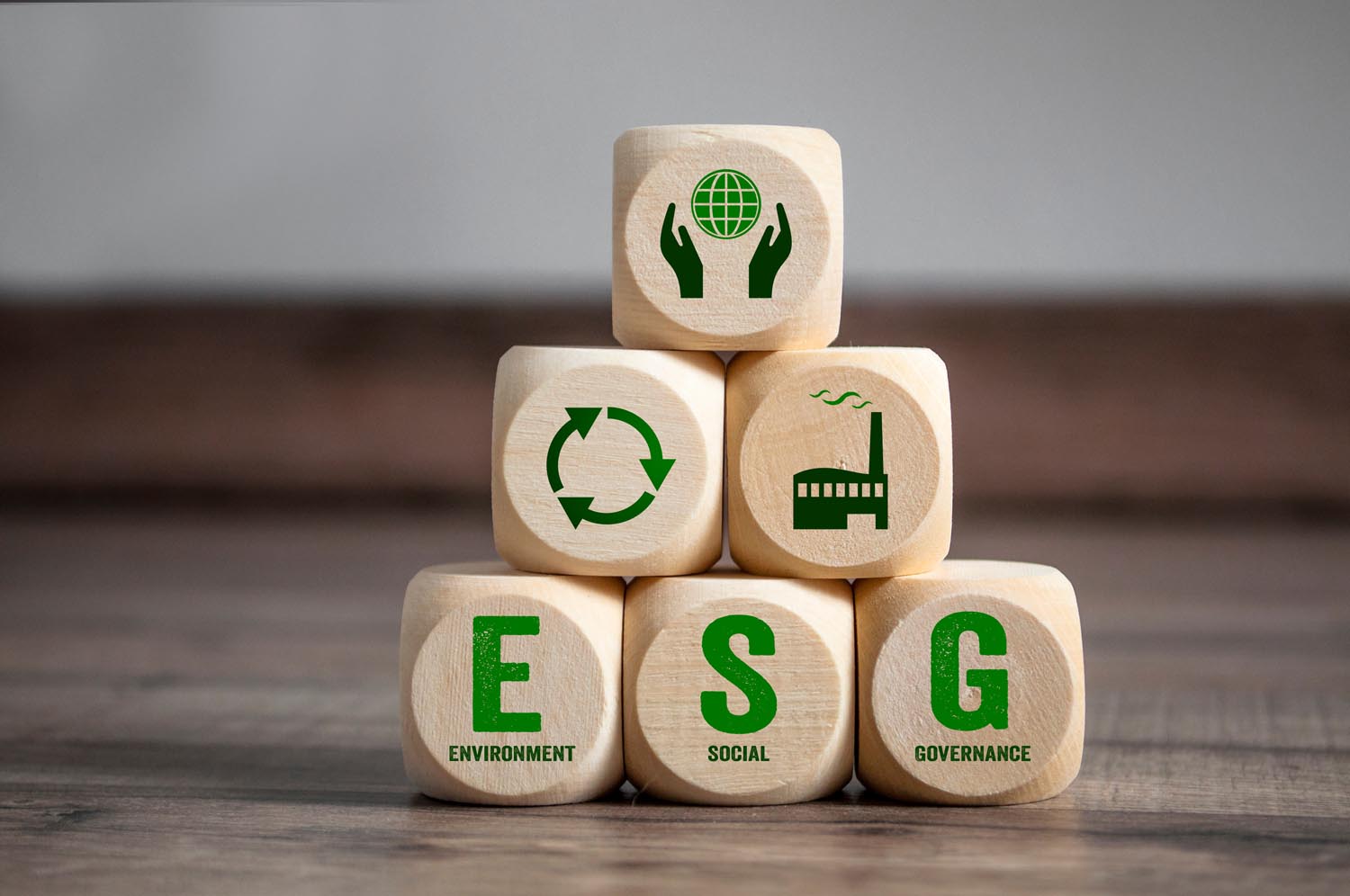
      • ESG stands for Environmental, Social, and Governance – a set of practices designed to foster environmental responsibility, social accountability, and corporate governance integrity.
      • When implemented effectively, ESG not only demonstrates responsibility but also enhances competitiveness, mitigates risk, and builds stronger customer loyalty.

      Sustainable logistics and distribution in e-commerce – practical actions

      Optimizing distribution is one of the most effective ways to reduce your online store’s carbon footprint.

      How can you make deliveries more environmentally friendly?

      • Use electric delivery vehicles, especially in urban areas and for short distances.
      • Partner with local suppliers to shorten the supply chain and reduce emissions.
      • Implement renewable energy sources in logistics centers and offices.
      • Plan delivery routes smartly using process optimization tools.
      • Decarbonize your supply chains gradually, introducing changes in phases.

      Let’s talk!

      Our advisors can help you identify major emission points and design an ESG-compliant logistics strategy.
      Contact us

      Eco-friendly packaging and storage for online retailers

      Sustainable packaging and efficient warehousing are key to reducing waste and improving operational performance.

      What changes should you consider in packaging and warehousing?

      • Ship products in recyclable, eco-friendly packaging.
      • Use reusable packaging where applicable.
      • Communicate your eco-efforts to customers starting from the moment they open their package.
      • Optimize energy usage in warehouses by introducing green energy solutions.
      • Manage your digital footprint using green hosting and energy-efficient servers.

      We’ll help you select and implement ESG-aligned solutions that benefit both your business and the planet.

      Designing ESG-compliant offers and reducing return rates

      Product offering and customer communication are central to responsible and successful e-commerce.

      What can you do to align your product offer with ESG standards?

      • Provide detailed product descriptions, including composition, origin, and usage guidelines.
      • Include high-quality images and videos to minimize purchase errors.
      • Introduce product fitting tools like virtual try-ons or AR visualizations.
      • Design products based on customer needs and shopping behavior analytics.
      • Clearly label environmentally and socially responsible products to support value-based purchasing.
      • Promote circular economy initiatives through repair, return, or recycling programs.

      We offer support in ethical product design, ESG-compliant customer communication, and regulatory alignment.

      Communication, cybersecurity, and governance – ESG in daily operations

      Responsibility also means how you manage your company and protect customer data.

      What should you prioritize to run a responsible e-commerce business?

      • Ensure transparent communication – transparency is a value in itself.
      • Safeguard customer privacy with high cybersecurity standards.
      • Develop ethical governance principles that shape your organizational culture.
      • Maintain responsible labor practices – both internally and across your supply chain.
      • Monitor and report ESG efforts transparently and in accordance with current standards.

      With our support, you can automate ESG reporting and implement a management system tailored to your company’s structure.

      Summary: ESG is an investment in the future of your business

      Sustainable e-commerce is not a passing fad – it’s a strategic response to consumer expectations, regulatory requirements, and increasing competition. It’s also an opportunity to build a strong, resilient, and trusted brand.

      Looking to cut emissions and optimize your distribution?

      Searching for eco-friendly packaging solutions and smarter warehouse management?

      Need help aligning your offer with your customers’ values?

      Our experts support you across all areas – from analysis and implementation to regulatory compliance. We tailor solutions to your organization’s structure and strategy. We don’t just help you “comply” – we help you gain a real advantage.

      Sustainable growth begins with a decision. If you want your store to operate responsibly, efficiently, and with the future in mind – we’re here to support you.

      20 May, 2025
    • VSME vs ESRS disclosures and processes: a guide for companies 

      In February, the EU announced its groundbreaking Omnibus proposal, aiming to simplify non-financial reporting frameworks. One of the most impactful proposals in this announcement was the severely limited scope of the companies required to report under the CSRD.

      VSME vs ESRS

      While policymakers debate the details of the Omnibus in the coming months, many companies – particularly those between the old scope and the new scope – are left confused as to the future of their sustainability reporting.

      One option for companies is the Voluntary Small and Medium Enterprise standard (VSME), which employs the core elements of the European Sustainability Reporting Standards (ESRS) and other common non-financial reporting standards in a more accessible and simplified way. Companies have the option to take the Basic (B) route or the more Comprehensive (C) route. For example, the ESRS 1&2 can either be the B1–B2 (Basic), C1–C2 (Comprehensive).

      The graphic below depicts how the ESRS topical standards translate into the VSME:

      how the ESRS topical standards translate into the VSME
      Source: “VSME vs ESRS: Understanding the key differences in sustainability reporting”

      As you can see, many of the key areas from ESRS are still addressed in the VSME, just in more simplified ways and often with a smaller scope.

      What about the Double Materiality Assessment (DMA)?

      While the VSME does not require a formal DMA as the ESRS does, it does apply a “if applicable” principle, where companies are recommended to report only on those topics that are relevant to their operations and stakeholders.

      Thus, while an extensive and audited DMA is not mandatory, doing even a simplified assessment can be beneficial to SMEs in multiple ways:

      • Identifying relevant disclosures
      • Prioritising sustainability efforts and resources and, in the process, strengthening a sustainability strategy
      • Laying the groundwork for future CSRD work, where it is required

      Why should SMEs report on sustainability?

      Companies considering pursuing sustainability reporting, even if they are not obliged to do so by European regulation, should understand six key benefits of increasing data collection and transparency in this area:

      • Standardising ESG data requests from larger partners, customers, and other stakeholders as having already gathered this data will make responding to such requests easier and more automatic
      • Pinpointing areas for improvement to increase resource efficiency leading to savings in water, energy, materials, labour, etc. – and thus resulting in financial savings as well
      • Identifying risks across the supply chain
      • Gaining competitive advantage in green financing opportunities – more information available in the recent EU Platform on Sustainable Finance report “Streamlining Sustainable Finance for SMEs” released in March 2025)
      • Building transparency, and thus reputation, with consumers, partners, and other stakeholders
      • Setting yourself up for success in future growth, especially given that the VSME and ESRS contain many of the same elements

      VSME vs LSME

      It is also important to note that some Small and Medium Enterprises (SMEs) – those that are publicly listed – may have some mandatory reporting elements. These were included in the Listed SME standard, or LSME, but the recent Omnibus proposal abolished these requirements, so the future of LSME reporting is unclear. Policymakers and experts are debating which standard, the Voluntary SME standard (VSME) or the Listed SME standard (LSME), is better and how to streamline these further to limit confusion between the two non-CSRD alternatives, particularly given that, as discussed, above, the VSME also has a Basic and Comprehensive version.

      Conclusion

      Despite the cutbacks in the scope of required CSRD reporting, companies that fall outside this obligation can still gain substantial value from adopting the VSME. Its strong alignment with the ESRS framework means that companies voluntarily following VSME not only stay ahead of potential future requirements but also build a solid foundation for strategic sustainability management. Whether for stakeholder transparency, operational efficiency, or long-term resilience, engaging with VSME reporting is a smart step forward.


      Sources:

      – “Omnibus explained: key changes to sustainability standards proposed by the European Commission” by Accountancy Europe (Mar 2025) 250304-Omnibus-ESRS-factsheet_accountancy-europe-1.pdf
      – “Streamlining Sustainable Finance for SMEs” by the EU Platform on Sustainable Finance (Mar 2025) Platform on Sustainable Finance report: Streamlining sustainable finance for SMEs – European Commission
      – “Voluntary reporting standard for SMEs (VSME)” by EFRAG (n.d.) Voluntary reporting standard for SMEs (VSME), Concluded | EFRAG
      – “VSME vs ESRS: Understanding the key differences in sustainability reporting” by SustainLab (Mar 2025) VSME vs ESRS: Understanding the key differences in sustainability reporting – SustainLab
      – “VSME vs LSME” by 414 (Apr 2025) 414 | VSME vs LSME
      – “Why SMEs should consider VSME standard in uncertain times of Omnibus – 10 reasons to believe in sustainability.” by Jarosław Kacprzak (Mar 2025) (1) Why SMEs should consider VSME standard in uncertain times of Omnibus – 10 reasons to believe in sustainability. | LinkedIn

      7 May, 2025
    • SAF-T accounting system in Bulgaria

      Bulgaria is advancing its tax compliance framework by implementing the Standard Audit File for Tax (SAF-T), an OECD-developed international standard for electronic data exchange between taxpayers and tax authorities. This initiative aims to enhance transparency, streamline auditing processes, and facilitate more efficient tax compliance.

      Implementation timeline

      The SAF-T rollout in Bulgaria is planned in phases:

      • 2026: Large enterprises (annual turnover over BGN 300 million or tax liabilities exceeding BGN 3.5 million) will commence reporting.
      • 2028: Mid-sized enterprises (annual turnover over BGN 15 million or tax liabilities exceeding BGN 1.5 million) will be included.
      • 2030: All other taxpayers, including micro-enterprises, will be required to comply.

      This phased approach allows businesses sufficient time to adapt to the new requirements.

      Benefits of SAF-T implementation

      The adoption of SAF-T is expected to:

      • Enhance Fiscal Risk Management: Standardized data facilitates better detection and management of fiscal risks.
      • Reduce Administrative Burden: Automation of data submission simplifies compliance processes for businesses.
      • Promote Compliance: Clear guidelines and standardized reporting encourage adherence to tax regulations.

      Preparing for the transition

      Business owners are encouraged to prepare for the SAF-T transition by consulting with tax professionals or digital accounting solution providers. Early preparation will facilitate a smoother adaptation to the standardized reporting requirements and ensure compliance with the new system.

      2 April, 2025
    • VAT reform in the European Union – key highlights of the “VAT in the Digital Age” (ViDA) package

      On March 11, 2025, following extensive negotiations, consultations, and legislative work, the Council of the European Union officially adopted the “VAT in the Digital Age” (ViDA) package, introducing sweeping reforms to the EU VAT system. As a result, amendments to the EU VAT Directive and associated regulations will be required. Implementing regulations will take effect 20 days after their publication in the Official Journal of the European Union and will apply automatically. However, for the VAT Directive amendments to be effective, each Member State must transpose them into its national legal framework.

      Three core pillars that the ViDA reform is built on

      Single EU-Wide VAT Registration

      By 2028, the reverse charge mechanism under Article 194 of the EU VAT Directive will be significantly extended. This will apply to the supply of goods and services by vendors without a fixed establishment or place of business in the destination Member State, provided the recipient is VAT-registered in that country.

      In the same year, the scope of the One Stop Shop (OSS) scheme will be expanded to include intra-EU movements of own goods and all B2C sales conducted across borders.

      E-Invoicing and VAT Reporting Requirements

      From the outset of ViDA’s implementation, Member States will be allowed to introduce mandatory e-invoicing. While many countries have already adopted or are in the process of implementing such systems, ViDA will harmonize this practice EU-wide. Under the reform, electronic invoices will become the only legally recognized format, replacing paper invoices.

      By 2030, e-invoicing will be compulsory for cross-border transactions within the EU. Digital Reporting Requirements (DRR) will be introduced for intra-Community B2B transactions, replacing the current European Community Sales List (ECSL).

      Businesses will be required to issue an e-invoice within two days of the VAT liability arising and to transmit it to the national e-invoicing system within the same timeframe.

      By 2035, existing national digital reporting frameworks must be aligned with ViDA standards. Countries with established systems (e.g. Italy, France, Poland, Germany, Romania, and Belgium) will need to ensure compliance by the deadline.

      VAT Compliance Obligations for Digital Platforms

      From 2030, new reporting obligations will apply to digital platforms.

      Currently, platforms facilitating the sale of goods are treated as deemed suppliers. Under ViDA, this deemed supplier status will be extended to platforms offering short-term accommodation and passenger transport services, as well as B2B intra-EU transactions facilitated through their systems.

      Want to learn more?

      Get in touch with us today!
      Contact us

      ViDA: Background and Strategic Goals

      The European Commission formally launched the ViDA reform on December 8, 2022. This initiated a series of negotiations within the Council and European Parliament to establish a modernized regulatory framework for VAT, tax compliance, and cross-border operations within the internal market.

      ViDA responds to ongoing challenges faced by Member States, including a persistently high VAT gap, fraudulent business practices, and VAT fraud networks exploiting legal loopholes and systemic inefficiencies.

      Key objectives of the ViDA package include:

      • Implementing mandatory e-invoicing and real-time reporting to reduce VAT fraud and enhance data sharing between tax authorities.
      • Expanding the OSS scheme to cover B2B transactions, minimizing the need for multiple VAT registrations across Member States.
      • Enhancing data exchange and increasing VAT compliance responsibilities for digital platforms, particularly those in short-term rental and passenger transport sectors.
      • Promoting full digitization of VAT processes to streamline cross-border business operations and improve audit efficiency.
      • Harmonizing technical and legal requirements across the EU to reduce discrepancies in national invoicing and reporting systems.

      Who Will Be Affected?

      The primary stakeholders include companies conducting B2B and B2C sales across the EU—whether already using the OSS or providing goods/services in multiple Member States.

      Digital platforms, especially those involved in short-term rentals and transport services, will face new VAT collection and reporting obligations on behalf of their users.

      All VAT-registered businesses, regardless of whether they currently use traditional or electronic invoicing systems, will be gradually required to adopt e-invoicing and real-time reporting in accordance with the new regulations.

      ViDA will have a direct impact on both B2B and B2C transaction models:

      • B2B Transactions – mandatory e-invoicing and real-time reporting will transform the invoicing process between businesses. The OSS scheme will be extended to B2B transactions, facilitating VAT compliance and reducing the need for multiple registrations across jurisdictions.
      • B2C Transactions -planned changes will further simplify the OSS (and IOSS for low-value imported goods), significantly reducing administrative burdens and the number of declarations submitted across various Member States. Additional changes are anticipated in how VAT is collected and reported for cross-border consumer services.

      Implications for VAT Registration, Declarations, ECSL, and Intrastat

      • VAT Registration – The expanded OSS will allow more international transactions to be reported under a single VAT number, minimizing the need for multi-country VAT registrations.
      • VAT Declarations – Real-time reporting and e-invoicing will standardize how and when data is submitted to tax authorities. Member States will implement systems akin to Poland’s KSeF or Italy’s SdI.
      • ECSL and Intrastat – Eventually, data currently reported via ECSL and Intrastat will be sourced automatically through e-invoicing and real-time reporting systems. These obligations will be phased out in favor of integrated OSS VAT reporting.
      26 March, 2025

    Contact form

    Contact us and we will respond within 24 hours!
    Kontakt
    Close
    Would you like to change the market?
    Select area of operation
    You will be redirected to another page for the selected market
    Polska
    Jesteś tutaj
    United Kingdom
    Go to page