

Would you like to change the market?
Select area of operation
You will be redirected to another page for the selected market
FAQ
Would you like to change the market?
Select area of operation
You will be redirected to another page for the selected market

    Blog

    Check our blog

    Learn more about the latest industry trends, changes in regulations and development opportunities for your company.
    30 October, 2024

    VAT in real estate transactions

    Understanding the rules that apply to the taxation of real estate transactions is essential for anyone operating in the market, whether investors,...

    28 February, 2025

    Omnibus package – incoming changes in ESG reporting

    The European Commission’s proposals to simplify ESG regulations as part of the so-called Omnibus Package published on February 26th 2025 have sparked...

    Latest

    • Carbon footprint in the context of ESG reporting

      One of the key indicators in ESGx (Environmental, Social, Governance) reporting is the carbon footprint. Understanding its principle, importance and how to measure it, is the basis for companies preparing ESG reports in accordance with new European Union regulations, particularly the CSRD (Corporate Sustainability Reporting Directive).

      What is a carbon footprint?

      Carbon footprint is a gauge of the total amount of greenhouse gases, including carbon dioxide (CO₂), that have been emitted as a result of a company’s operations. It is an indicator that measures a company’s impact on climate change through greenhouse gas emissions associated with its production processes, operations, transportation, energy consumed in offices and other activities.

      Carbon footprint is most often expressed in tons of carbon dioxide equivalent (tCO₂e), a unit that allows different greenhouse gases to be unified into a single measure, taking into account their global warming potential.

      Why is carbon footprint an important issue from the perspective of ESG reporting companies?

      The obligation to report on carbon footprint has gained significance in the context of changing legislation and a growing emphasis on the transparency of companies’ environmental activities. It has become one of the key indicators in assessing a company’s impact on climate change and thus sustainability.

      Increased environmental awareness among consumers and investors is making carbon footprint not only an environmental indicator, but also a competitive element in the market. For example, companies that reduce emissions by optimizing production processes, switching to renewable energy sources or reducing water consumption can be assured of consumer loyalty and the positive evaluation of investors, who increasingly consider sustainability in their investment decisions.

      Reducing carbon footprint is also an integral part of a sustainability strategy that aims to minimize the negative impact of business activities on the environment. Companies that engage in such initiatives are seen as responsible and forward. In the long run, such actions ensure an enhanced reputation and trust among all stakeholders: from employees to business partners.

      How is carbon footprint calculated?

      Calculating carbon footprint is a multi-step process that requires taking into account all sources of greenhouse gas emissions in a company’s operations. Carbon footprint can be divided into three ranges to be considered when calculating it:

      • Scope 1 – Direct emissions: These are emissions that come directly from the company’s operations, such as the burning of fuels in furnaces, company cars or other company-owned equipment.
      • Scope 2 – Energy-related indirect emissions: Include emissions related to the purchase of electricity, heat or steam. Companies should calculate emissions related to the energy consumed in their operations, taking into account the sources of that energy (e.g., coal, gas, renewables).
      • Scope 3 – Indirect emissions from other sources: These are emissions resulting from the company’s entire value chain, including transportation, production of raw materials, waste, business travel, or consumer use of products. Scope 3 is typically the most complex to calculate, as it includes emissions from the activities of business partners, suppliers and customers.

      When measuring carbon footprint, companies should use appropriate tools such as carbon footprint calculators, standards and protocols (a globally recognized one is the Greenhouse Gas Protocol) to help accurately determine greenhouse gas emissions.

      What carbon footprint disclosures should be reported under ESRS guidelines?

      Under the ESRS guidelines, which were developed by the European Union as part of the CSRD regulations, companies are required to disclose detailed information on their environmental impact, including greenhouse gas emissions. This reporting is intended to increase transparency and accountability in managing climate impacts. Companies will have to disclose:

      • Total greenhouse gas emissions: Companies must disclose total greenhouse gas emissions, expressed in tons of CO₂ equivalent, broken down into direct emissions (Scope 1), indirect energy-related emissions (Scope 2) and other indirect emissions (Scope 3).
      • Emission reduction targets: Companies will be required to disclose their GHG emission reduction targets, including timelines and strategies for achieving these targets, consistent with global climate goals (e.g., the Paris Agreement).
      • Strategies and actions: ESG reports should outline strategies and specific actions taken to reduce greenhouse gas emissions, such as implementing energy-saving technologies or switching to renewable energy sources.
      • Sustainability indicators: Companies must provide indicators to measure progress toward emission reduction targets. This could include, for example, emissions intensity per unit of production, emissions reduction per employee or energy efficiency.

      Learn more about carbon footprint.

      Explore our offer.
      Read more

      Summary

      A key element in managing carbon footprint is integrating appropriate operational activities into the company’s daily operations. Companies must focus on accurately monitoring and measuring greenhouse gas emissions throughout the value chain, which requires collaboration with suppliers, logistics partners and other stakeholders. Operational measures include optimizing energy consumption, introducing energy-saving technologies, reviewing production processes and efficient waste management, among others. In addition, it is necessary to regularly audit emissions, implement renewable energy solutions and transport efficiency. This approach not only ensures compliance with regulations, but also effectively contributes to reducing the company’s operational carbon footprint.

      4 February, 2025
    • EU taxonomy

      The EU Taxonomy is a classification system that determines which economic activities can be considered environmentally sustainable in the European Union. It is a key tool within the European Green Deal to promote environmentally friendly investments and counter greenwashing.

      Main environmental objectives:

      • countering climate change,
      • climate change adaptation,
      • Sustainable use and protection of water and marine resources,
      • The transition to a circular economy,
      • Pollution prevention and control,
      • Protection and restoration of biodiversity and ecosystems.

      If an activity is considered sustainable, it must first significantly contribute to one of these goals without harming others. The taxonomy aims to direct capital to projects that foster environmental transformation and to increase transparency and accountability in reporting sustainable activities.

      In order for a company’s activities to be considered compliant with the taxonomy, it must meet all three conditions:

      1. It must make a significant contribution to at least one of the six environmental goals.
      2. It must not cause significant harm to any of the six goals.
      3. Must demonstrate compliance with the Minimum Safeguards
      4. In addition, the company must meet the Technical Qualification Criteria, but this condition is included in items 1 and 2.

      Why is taxonomy important for companies preparing an ESG report?

      For companies preparing an ESG report, the EU taxonomy provides a compliance framework and guidance to better understand the environmental impact of operations and meet regulatory requirements. The taxonomy’s provisions specifically affect:

      • Transparency reporting – companies covered by the CSRD (Corporate Sustainability Reporting Directive) must demonstrate in their ESG reports the extent to which their activities are in line with the taxonomy.
      • Attracting investors – sustainable actions in line with the taxonomy can increase a company’s attractiveness in the eyes of investors, who are becoming increasingly influenced by ESG criteria.
      • Minimize reputational risk – Taxonomy compliance reporting helps avoid allegations of greenwashing and build credibility.

      What steps should the company take?

      When preparing an ESG report in accordance with the requirements of the EU taxonomy, a company should:

      • Conduct an audit of activities – identify which activities are consistent with the objectives of the taxonomy and the Technical Qualification Criteria.
      • Gather data – collect the necessary information on the impact of the activity on the environment.
      • Understand DNSH (Do No Significant Harm) requirements – make sure that no activities violate other environmental objectives.
      • Ensure compliance with the Minimum Safeguards – implement human rights and labor standards.

      Summary

      At EFF, we fully understand that meeting these requirements can be a challenge. Depending on the size of your company and the specifics of your industry, you may need to collect a large amount of data and meet numerous reporting requirements. Our experts are here to help you! We will analyze your operations to determine which data fits into the taxonomy criteria and how well it complies with the applicable requirements. In addition, we will support you in implementing social safeguards where needed.

      4 February, 2025
    • ESG gap analysis – what is it and what should you keep in mind?

      ESG gap analysis is a tool used to assess how the existing ESG reporting practices meet the requirements under the CSRD. Identifying disparities between regulations and the current state of reporting allows for determining the appropriate changes to introduce. Gap analysis allows you to pinpoint areas that need improvement, such as detailed reporting on climate change risks, approaches to supply chain management, or monitoring the social and environmental impact of a company’s operations.

      Gap analysis

      As experts in ESG reporting, we will analyze a set of nonobligatory standards and regulations, as well as benchmark the most important ones. We will work with you to determine which values and factors are most important within your company’s operations, including compliance with EU regulations, the attainability of aspiring decarbonization goals, and the efficiency of data collection processes.

      Learn more about double materiality analysis

      Explore our offer.
      Read more

      With this in mind, we will make recommendations to fill the gaps and work with your team to create a strategy for further action.

      Our team’s ESG experience allows us to provide individual support in the reporting process so that your documents not only meet regulatory requirements but also comply with market best practices.

      4 February, 2025
    • ESG strategy step by step / CSRD Success.

      What is ESG?

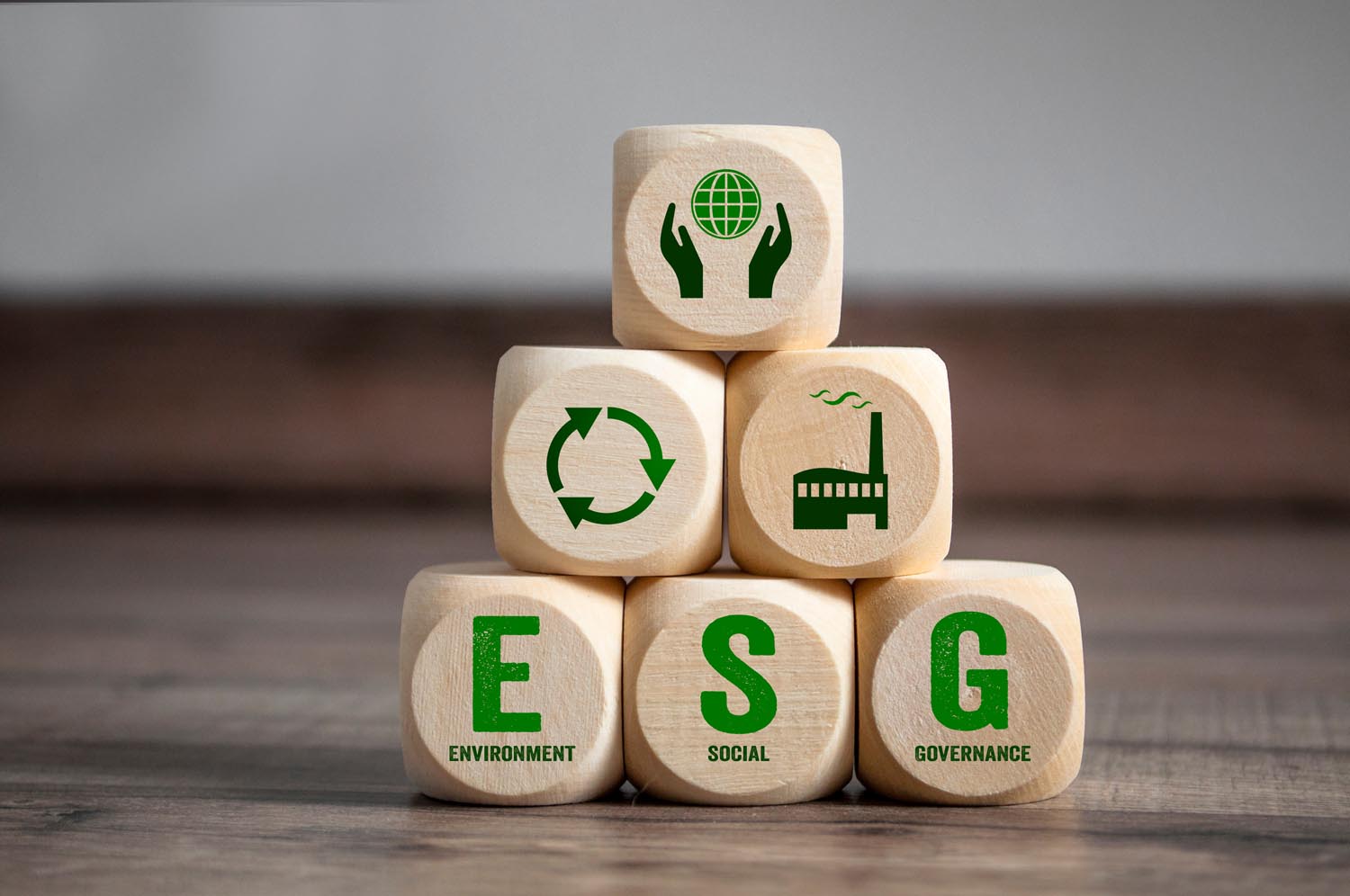
      ESG, or Environmental, Social, and Governance, is a set of criteria for evaluating companies’ environmental, social, and governance impacts. These areas include efforts to reduce greenhouse gas emissions, improving working conditions, addressing social inequality, and transparency in corporate governance, among others. The introduction of the CSRD (Corporate Sustainability Reporting Directive) makes the topic of ESG even more relevant, especially in the context of mandatory reporting by companies.

      What is an ESG strategy and how to prepare it in accordance with the CSRD?

      An ESG strategy is a set of actions that a company takes to meet environmental, social and governance responsibility criteria. For companies required to report under the CSRD, the ESG strategy must follow the guidelines of the CSRD, covering not only sustainability goals, but also how they are measured and how ESG risks are managed.

      Step 1: ESG baseline assessment – defining the starting point

      The first step in developing an ESG strategy is to conduct a detailed ESG baseline assessment that will allow the company to determine the current status of its environmental, social and governance activities. It is important to understand where the company stands with respect to ESG requirements. The baseline assessment should include an audit of existing ESG practices and policies, an analysis of ESG indicators, and identification of factors that may affect the company’s operations. This analysis will give the company a complete picture of its strengths and areas that need improvement.

      Step 2: Double Materiality Analysis

      In the next step, it is best to conduct a double materiality analysis, which is one of the key elements in preparing an ESG strategy. This means that a company should assess which ESG factors have a significant impact on its business, as well as how the company’s activities affect society and the environment. By understanding both of these perspectives, you can not only meet CSRD requirements, but also develop a strategy that will have a real impact on the company’s sustainability. Learn more.

      Step 3: Gap analysis – identification of gaps

      This is followed by a gap analysis, which helps identify differences between the company’s current operations and CSRD requirements. In this step, the company makes a detailed comparison of its policies, procedures and practices with ESG disclosure requirements. Gap analysis identifies areas where the company does not yet meet the guidelines or needs further action to comply with the new regulations. Conducting a gap analysis shapes a roadmap for a company to determine what steps it needs to take to meet ESG reporting requirements. Learn more.

      Step 4: Identify ESG goals

      Based on the results of the baseline assessment, double materiality analysis and gap analysis, the company should proceed to define ESG goals. These goals must be clear, measurable and implementable. In doing so, it is worth keeping in mind that ESG goals are dynamic and should be tailored to the specifics of the company and the industry in which the company operates. Examples of goals might include reducing greenhouse gas emissions, improving working conditions, or increasing transparency in company management.

      Step 5: Identify ESG indicators and methods to measure progress

      The next step is to identify ESG indicators to monitor progress. It is important that the indicators comply with international standards and CSRD requirements. Examples of indicators include: greenhouse gas emissions, water consumption, number of hours of training, or governance-related indicators (e.g., transparency in reporting). It is also crucial to implement an effective data collection system to regularly monitor progress.

      Step 6: Implement ESG measures in the company

      Implementing an ESG strategy requires commitment at all levels of the company. At this stage, appropriate procedures should be put in place to achieve ESG goals, as well as education and training for employees.

      Learn more about double materiality analysis

      Explore our offer.
      Read more

      Summary

      Creating an ESG strategy is a complex process that requires a thorough analysis of the company’s existing policies, the identification of goals, indicators and methods for measuring them. Conducting a double materiality analysis and identifying gaps allows you to create an effective strategy that will have a real impact on the sustainability of your company

      4 February, 2025
    • Double materiality analysis – What should you know?

      Preparing an ESG report in accordance with the requirements of the CSRD (Corporate Sustainability Reporting Directive) and ESRS (European Sustainability Reporting Standards) is a new challenge for many companies. A key element of this process is double materiality analysis, which assesses both the impact of a company’s activities on the environment and the risks and opportunities arising from environmental, social and corporate governance factors. In this article, we explain what double materiality analysis is, why it is so important and how to conduct it effectively.

      What is double materiality analysis?

      Double Materiality analysis is an approach required for ESG reporting that considers two perspectives:

      • Impact materiality, or how the company affects the environment and/or society.
      • Financial materiality, or how the environment and/or society affects the company.

      This approach provides a holistic view of the company’s relationship with the environment, indicating both its responsibilities and the potential risks and opportunities associated with sustainability.

      Why is double materiality analysis crucial in the context of CSRD and ESRS?

      The CSRD and ESRS standards prioritize transparency and accurate reporting of companies’ sustainability impacts. The reasons why double materiality analysis plays a key role in this process are:

      • Regulatory requirements – Companies covered by CSRD must present in their ESG reports what factors are applicable to them from both a financial and environmental/social perspective.
      • Report credibility – Transparency of the analysis results builds trust among investors, customers and other stakeholders.
      • Risk management – By identifying relevant issues, a company can more effectively prepare for potential ESG risks, such as changing climate regulations or consumer expectations.
      • Growth opportunities – Double materiality analysis also identifies business opportunities or sectors with increased potential, such sustainable agriculture or digitization of manufacture processes.

      How do you conduct a double materiality analysis?

      A double materiality analysis should be well planned and systematic. Here are the steps to consider:

      1. Identifying ESG topics start by analyzing which ESG topics are relevant to your industry and company. Consider, issues such as:
        • regulations (e.g., CSRD, ESRS, EU Taxonomy),
        • industry guidelines (e.g., GRI, SASB),
        • market trends,
        • stakeholder expectations.
      2. Engaging stakeholders – consult key stakeholders such as customers, employees, investors, regulators or local communities. Their perspective will help you understand which ESG issues are most important to them. Dialogue with stakeholders is key in double materiality analysis, as it enables companies to understand the expectations of groups that influence and are influenced by the organization. Engaging stakeholders builds trust, increases transparency and efficiency, and long-term collaboration helps better manage the risks and opportunities of social and environmental change, improving reputation and providing added value for all parties.
      3. Assessing environmental and social impact – analyze what effects your activities have on the environment and society, e.g.: greenhouse gas emissions, water and raw material consumption or human and workers’ rights.
      4. Assessing financial materiality – identify what ESG risks and opportunities may affect your company’s operations, such as:
        • Regulatory risks (e.g., penalties for excessive emissions),
        • An increase in operating expenses,
        • Evolving market expectations.
      5. ESG data gap analysis – the gap analysis is based on the findings of a previously conducted double materiality analysis and stakeholder dialogue. This process allows companies to accurately identify gaps between current sustainability efforts and regulatory requirements, industry best practices and stakeholder expectations. 
      6. Integration with ESG report and company strategy – the conclusions of your double materiality analysis should be reflected in both the ESG report and the company’s sustainability strategy.

      Learn more about double materiality analysis

      Explore our offer.
      Read more

      Challenges in double materiality analysis:

      • Data collection – Companies often struggle to obtain accurate information about the environmental and social impacts of their operations. For example, manufacturing companies may struggle to monitor CO2 emissions during the various stages of production because they lack the right tools to measure them.
      • Stakeholder engagement – Understanding the needs of different stakeholder groups, such as employees, local communities or environmental organizations, can require a great deal of time and resources. For example, it may be difficult for an organization to get the views of local residents on the environmental impact of its operations, which can delay the decision-making process.
      • Regulatory complexity – Companies must keep track of changing regulations, such as the ESRS (European Sustainability Reporting Standards), which can vary by country or industry. For example, a company operating in the European Union may find it difficult to adapt ESG reporting to new transparency requirements that change from year to year.

      Double materiality analysis is vital to ensure the compliance of ESG reporting with the CSRD and ESRS standards. It enables companies to understand both their impact on the environment and the risks and opportunities arising from global sustainability trends.

      If your company is preparing for ESG reporting in accordance with CSRD and ESRS, and double materiality analysis seems challenging, our experts are here to help you! Get in touch so we can start working to develop effective and compliant solutions.

      4 February, 2025
    • Estonia introduces temporary VAT adjustments

      The Estonian government has announced changes to its value-added tax (VAT) structure as part of its broader fiscal strategy.

      VAT adjustments

      Starting 1 July 2025, the standard VAT rate will increase from 22% to 24%. This higher rate will be a temporary measure, remaining in effect until 31 December 2028, after which the rate will revert to 22% on 1 January 2029.

      Additionally, adjustments will affect the hospitality sector. From January 2025, the VAT rate for accommodation services, including those that offer breakfast, will rise from 9% to 13%. It is also worth noting that another change will be the increase in the VAT rate for press publications, which will change from 5% to 9%.

      These measures aim to balance fiscal needs while supporting public services and national security efforts. Businesses and consumers should prepare for these adjustments to effectively manage their finances.


      Sources:

      https://www.fin.ee/uudised/ettevotted-panustavad-julgeolekusse-kasumimaksuga
      https://www.emta.ee/en/business-client/taxes-and-payment/value-added-tax#from-01012025

      17 January, 2025
    • Sustainability in business travel

      Climate change and environmental degradation are becoming increasingly serious challenges that require commitment on many levels. Modern companies, which are increasingly embracing sustainability, cannot ignore the ecological aspect in the context of business travel as well.

      Solutions for companies

      In the face of rising transportation costs and growing environmental awareness, responsible business travel planning is becoming crucial not only from an environmental perspective, but also from a corporate image perspective. What solutions can both companies and employees implement to minimize the impact of business travel on the planet? Here are five suggestions for companies and five tips for employees.

      • Sustainable transportation choices. Companies can promote the choice of greener modes of transportation, such as trains, which in Poland are becoming an increasingly comfortable and environmentally friendly alternative to airplanes. It is also worth investing in electric or hybrid car rentals, which reduce carbon emissions. For international air travel, some airlines offer a CO2 offset option, which is a favorable solution for environmentally conscious companies.
      • Employee education and technology to support sustainability. Companies are increasingly implementing technology platforms to support travel planning that take into account CO2 emissions for different transportation options. With these, employees can make decisions more easily, choosing transportation with a lower environmental impact. In addition, educating employees about sustainable business travel aims to build environmental awareness and show the benefits of such choices.
      • Sustainable accomodation. Choosing the right accommodations is another important step. Eco-certified hotels that use renewable energy sources and conserve water are choices that reduce the carbon footprint of travel. In Poland, more and more hotels are beginning to implement such practices, creating a wide range of environmentally friendly options for companies.
      • Remote meetings and travel optimization. Companies can reduce the number of necessary business trips by holding meetings online. Video conferencing technologies make it possible to communicate effectively without traveling, reducing greenhouse gas emissions. Advance travel optimization allows several meetings to be combined into one trip, reducing the number of days in travel and the associated carbon footprint.
      • Involvement and foreseeing climate regulations. Governments, including Poland, are increasingly introducing regulations requiring reporting of greenhouse gas emissions associated with corporate operations. Organizations that implement sustainable business travel strategies can not only reduce their environmental footprint, but also prepare for the upcoming regulations, gaining a competitive advantage.

      sustainability

      Solutions for employees

      • Minimize baggage. When traveling on business, it’s a good idea to take only the most necessary items, which avoids unnecessary excess baggage fees and reduces fuel consumption on airplanes.
      • Choosing eco-friendly means of transportation. Whenever possible, it is advisable to choose bicycling, walking or public transportation instead of using cabs or rental cars.
      • Taking care to conserve energy in the hotel. When you arrive at the hotel, it’s a good idea to turn off electrical appliances, not to use air conditioning and heating in excess, and to take advantage of the recycling options available at the hotel.
      • Choosing eco-friendly meals. Look out for restaurants that offer plant-based, organic or local dishes, which reduces the carbon footprint associated with food production and transportation.
      • Conscious use of resources. Conserving water and energy when traveling for business is a simple but effective way to reduce your environmental impact. It’s worth remembering to turn off lights or not to leave appliances on standby mode.

      Summary

      Sustainability in business travel is a matter of responsibility for both companies and employees. By implementing transportation, accommodation and technology solutions, companies can significantly reduce the environmental impact of their travel. At the same time, employees, by making conscious decisions on a daily basis, can further support sustainability. Through such measures, business travel will become greener and companies will gain a reputation as socially responsible organizations.

      13 December, 2024
    • Slovakia announces VAT rate changes effective 2025

      The Slovak government has approved significant amendments to the country’s VAT regulations, set to take effect from January 1st, 2025. These adjustments aim to bolster public finances and streamline the tax framework. The standard VAT rate will rise from the current 20% to 23%, marking a notable shift in the country’s fiscal policy. Additionally, the existing reduced VAT rates will undergo changes.

      VAT rate changes

      A new reduced VAT rate of 19% will replace the current rate of 10%. Examples include:

      • non-basic foodstuffs,
      • domestic electricity,
      • catering services (including low-alcohol).

      The VAT rate of 5% remains unchanged, but new products have been added to the existing list. The following goods and services, previously taxed at 10%, will now be subject to the 5% VAT rate:

      • catering services (without alcohol),
      • basic foods,
      • medicines,
      • medical devices,
      • books, newspapers,
      • rental accommodation.

      These changes, passed on October 18th, 2024, reflect a broader trend among European nations to recalibrate tax policies in response to economic challenges. Businesses operating in Slovakia will need to update their systems and processes to ensure compliance with the new rates.

      For more detailed information, refer to the Slovak legislative database.

      13 December, 2024
    • How will GPSR affect your e-commerce? Guide for EU sellers

      As early as December 13, 2024, the new GPSR (General Product Safety Regulation) will take effect, replacing the existing General Product Safety Directive. For e-commerce companies selling on European markets, this is a significant change that requires attention and appropriate action.

      What is the GPSR Regulation?

      The GPSR Regulation aims to introduce stricter rules for the safety of products sold in the EU, especially those offered online. It introduces new obligations for sellers, distributors and e-commerce platforms that address aspects such as:

      • Product traceability: every product sold in the EU must have clear information about the manufacturer, importer and possible responsible parties.
      • Responsibility for safety: online retailers will have to be sure that the products they offer meet safety requirements even if they do not manufacture them.
      • Faster responses to risks: e-commerce platforms will be required to promptly recall unsafe products and report such cases to regulators.

      rejestracja do VAT OSS

      What does this mean for your e-commerce business?

      If you run an online store, the new regulations mean you’ll have to adhere to updated regulations. In practice, you may face challenges related to:

      • Verifying suppliers and products – making sure goods meet GPSR requires building robust control procedures.
      • Adjusting accounting and VAT processes – changes in supply chain or product traceability can affect your tax obligations in Europe.
      • New operating costs – having to recall products or comply with local regulations can increase your costs.

      Would you like more information?

      Reach out to us for assistance.
      Contact us

      How can EFF help you?

      As a company specializing in VAT accounting across the EU, we understand that legislative changes such as GPSR can raise many questions. With our experience, our team provides tailored guidance that includes:

      • Analysis of your business in terms of new legal and tax obligations.
      • Advice on how to reduce tax risks arising from changes in the supply chain.
      • Automating your accounting processes so that you can concentrate on business expansion while simplifying compliance.

      The GPSR regulation is the next step in building a safer EU marketplace, which at the same time poses new challenges for e-commerce. The sooner you take action, the better prepared you will be for the changes ahead. Connect with EFF to make sure your business is in compliance with the new regulations and avoid unnecessary complications.

      11 December, 2024

    Contact form

    Contact us and we will respond within 24 hours!
    Kontakt
    Close
    Would you like to change the market?
    Select area of operation
    You will be redirected to another page for the selected market
    Polska
    Jesteś tutaj
    United Kingdom
    Go to page