
Single-use plastics have become an integral part of our daily routines, yet their environmental impact is severe. From the contamination of marine ecosystems to the decline of endangered species, the consequences of this issue are becoming increasingly apparent. In response, the European Union has implemented decisive measures to mitigate the implact plastic has on our ecosystems. The 2019 adoption of the SUP Directive, a legislation that specifically addresses plastic pollution, was a pivotal moment for the struggle against climate deterioration, particularly in marine ecosystems.
What is the SUP Directive?
The SUP (Single-Use Plastics) Directive is a regulation aimed at reducing the production and use of single-use plastic products. In practice, this means that EU member states have introduced a range of measures restricting the production, distribution, and recycling of such items.
What changes did the SUP Directive introduce?
Implementation of the SUP Directive has varied across Europe, with each country tailoring its approach to local needs. In Poland, since 2021, manufacturers are required to mark plastic packaging with the “dead turtle” pictogram—a stark reminder intended to raise consumer awareness of plastic pollution. The country has also banned the sale of selected single-use products, including plastic cutlery, plates, and straws.
Similar measures have been taken in other EU states. Spain and France have banned plastic cutlery and the use of expanded polystyrene packaging. Germany went a step further by introducing mandatory charges for plastic bags, which significantly reduced their consumption. These countries have also adopted stringent recycling regulations to ensure that as much plastic as possible is reused rather than being disposed of in landfills.

A challenge for business, an opportunity for the environment
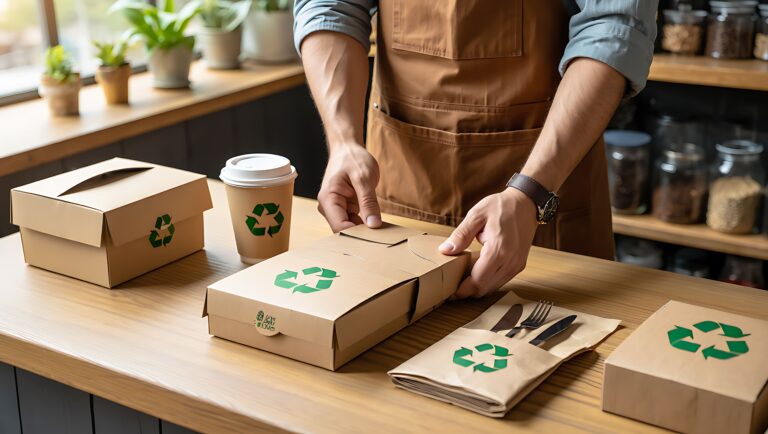
For businesses, the SUP Directive has brought numerous challenges. Companies have had to invest in new technologies, revise production processes, and adapt to new legal requirements. Examples include replacing plastic bags with paper alternatives in grocery stores and switching to biodegradable packaging for various products.
On the other hand, the directive has opened new avenues. Eco-packaging manufacturers have seen a surge in demand, with innovations such as single-use tableware made from wheat bran gaining traction.
Shaping new consumer habits
The SUP Directive has also prompted a shift in end user behavior. An increasing number of consumers are opting for reusable products, such as stainless steel water bottles or eco-friendly shopping bags. This shift has been driven not only by regulatory demands but also by educational campaigns highlighting the environmental impact of our daily choices.
Looking ahead: A circular economy
The ultimate goal of the SUP Directive is not only to reduce plastic use, but also to foster a circular economy. This model emphasizes designing products for durability, reusability, and recyclability. The road ahead may still be long, but the early efforts reflect a clear and committed direction.
The SUP Directive is proof that sustainable development is more than a buzzword—it is a tangible direction in which the modern world is heading. The question we must now ask ourselves is: what more can we do to further reduce our impact on the planet?