
Would you like to change the market?
Select area of operation
You will be redirected to another page for the selected market
FAQ
Would you like to change the market?
Select area of operation
You will be redirected to another page for the selected market
    Services
    • More about services
    Business sectors
    Business sectors we support
    Get in touch

    Blog

    Check our blog

    Learn more about the latest industry trends, changes in regulations and development opportunities for your company.
    30 October, 2024

    VAT in real estate transactions

    Understanding the rules that apply to the taxation of real estate transactions is essential for anyone operating in...

    28 February, 2025

    Omnibus package – incoming changes in ESG reporting

    The European Commission’s proposals to simplify ESG regulations as part of the so-called Omnibus Package published on February...

    Latest

    • EPR in Germany: What you need to know when selling products abroad

      Are you currently selling or planning to sell products to customers in Germany? Regardless of your sales model whether B2B, B2C, via your own online shop, or through platforms like Amazon or eBay, you are likely subject to Germany’s Extended Producer Responsibility (EPR) regulations.

      What should you know about EPR as a seller, distributor, or manufacturer?

      EPR places environmental responsibility on companies for the entire lifecycle of their products. Whether you’re a manufacturer or simply a seller, you must comply with specific obligations. Failure to do so can result in fines, blocked listings, or even a complete ban on selling in Germany. Below you’ll find all the essential information to help you stay compliant.

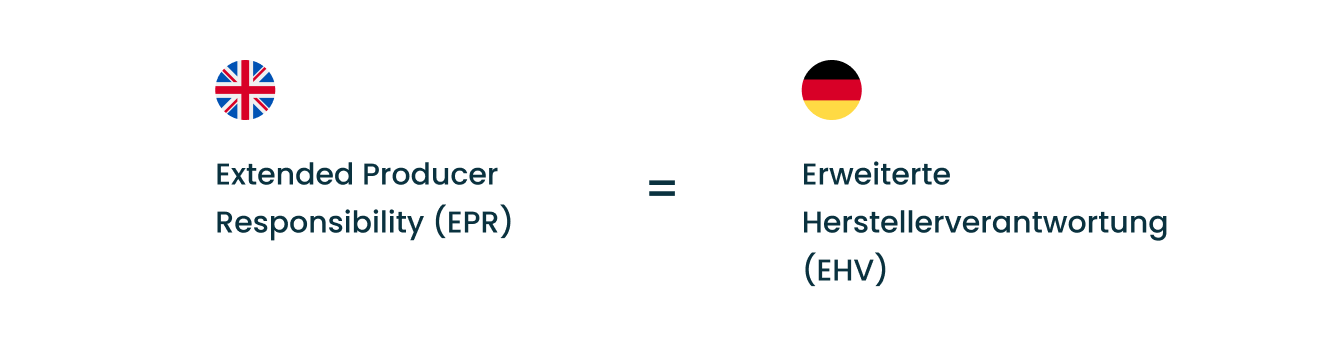
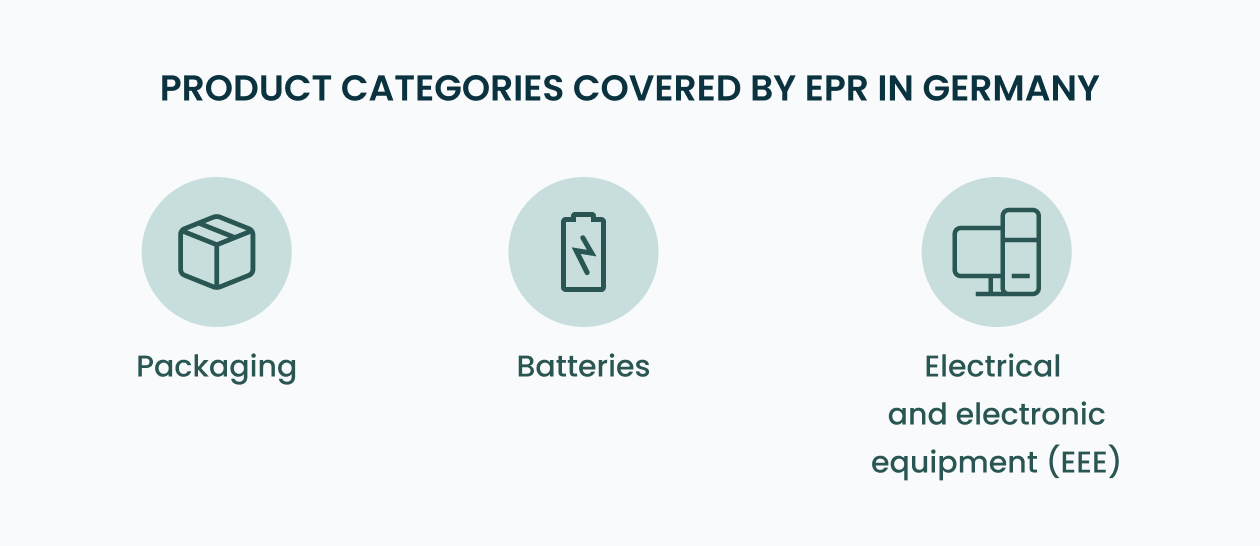
      Extended Producer Responsibility (Erweiterte Herstellerverantwortung – EHV) is a legal framework that requires companies to manage their products after their end-of-life. It applies to several product categories: packaging, batteries, electrical and electronic equipment (EEE)

      Under the “polluter pays” principle, if you profit from selling regulated products, you are also responsible for their environmental impact. This includes recycling, disposal, and financial contributions to waste management systems.

      Who must comply?

      1. Manufacturers and brand owners
        • Produce goods and sell under their own brand
        • Outsource production but sell under their own brand (private label)
      2. Exporters and cross-border sellers
        • Sell directly to German consumers via e-commerce
        • Operate online shops or sales platforms with delivery to Germany
      3. Retailers and mail-order companies operating in Germany
        • Sell online or via mail order within Germany
        • Deliver products directly to end customers
      4. Importers and distributors
        • Import goods into Germany
        • Resell them (wholesale or retail)

      If your business sells physical goods in Germany and those products generate waste such as packaging, electronic devices or batteries, you are likely subject to EPR regulations. These rules apply regardless of where your company is bases.

      How to comply with EPR in Germany: Step-by-step guide

      Before starting salesOngoing obligations
      1. Identify which products are subject to EPR1. Report the volume of the products and packaging
      2. Register with the relevant authorities:2. Pay environmental fees
      3. Sign a contract with a dual system operator3. Keep your registration data up to date
      4. Obtain your EPR registration number
      5. Appoint an authorized representative in Germany (if you don’t have a local entity)

      New plastic tax – what you should know

      From 1 January 2024, Germany introduced an environmental levy on single-use plastic products. This includes takeaway food containers, plastic cups, bags, and wet wipes.

      Obligations for producers and importers:

      • Register in the DIVID system
      • Track quantities sold from 2024
      • Submit annual reports
      • Pay the calculated levy

      Funds collected are used to reimburse municipalities for waste management and environmental protection, reinforcing Germany’s commitment to sustainability.

      Want to ensure safe and hassle-free compliance?

      Book a consultation with our experts.
      Contact us

      What are the risks of non-compliance?

      Ignoring EPR obligations can lead to serious consequences:

      • Fines – substantial financial penalties
      • Blocked listings – marketplaces may suspend your products
      • Sales bans – in extreme cases, complete exclusion from the German market

      Beyond legal risks, non-compliance can damage trust with customers and business partners.

      Not sure if EPR applies to your business?We’re here to help.

      Navigating EPR requirements can be complex—especially for companies entering the German market. At EFF, we specialize in supporting businesses at every stage. From registration with LUCID and Stiftung EAR to appointing a local representative and ongoing reporting—we provide full support to help you stay compliant.

      Act now – Avoid costs. Gain advantage. Be responsible.

      Environmental regulations like EPR are here to stay and are becoming stricter. Governments and consumers expect greater accountability. Acting now helps you avoid financial and operational risks and positions your brand as a sustainability leader.


      Source:

      – Zentrale Stelle Verpackungsregister (ZSVR). (n.d.). Verpackungsregister [Website].https://www.verpackungsregister.org/
      – Stiftung elektro‑altgeräte register (stiftung ear). (n.d.). stiftung ear – Your authority for implementing ElektroG & BattG [Website]. https://www.stiftung-ear.de/en/

      22 October, 2025
    • Limiting ESG reporting – A path to climate catastrophe?

      In recent years, climate policy has become one of the pillars of sustainable development strategies for companies worldwide. The obligation to report on ESG (Environmental, Social, Governance) was designed to increase transparency in environmental actions and to encourage businesses to take tangible preventive, corrective, and adaptive measures in response to climate change. However, plans to ease ESG reporting requirements, included in the European Commission’s so-called Omnibus proposal, may have serious consequences – both for the environment and the economy.

      Slowing down climate action – Short-term gain, long-term loss

      Although the proposal to reduce the number of companies required to report on ESG has its advantages and may be attractive to businesses seeking to avoid additional administrative costs, these short-term savings will not offset long-term consequences. Without transparent reporting, companies will find it easier to limit investments in green technologies and climate adaptation. This means:

      • Fewer companies will monitor their greenhouse gas emissions and energy efficiency.
      • Decarbonisation initiatives in production and supply chains will be scaled back.
      • Businesses will be less inclined to implement adaptation strategies, such as protection against extreme weather events.

      It is therefore crucial to emphasise the objective of the Omnibus. Simplifying reporting requirements is not intended to weaken climate strategies. On the contrary – by freeing up company resources from complex reporting processes, the goal is to give them space to implement actions as quickly as possible. In short: more action, less bureaucracy – a step towards real results.

      Companies must remember that without adequate mitigation measures, climate change will accelerate, and its effects will cut across multiple areas.

      Learn more about the Omnibus!

      Read our article on this topic.
      Read more

      Here are a few examples of real consequences:

      • Extreme weather events will damage infrastructure – Severe storms, floods, and heatwaves will become more frequent and intense. Without proper preparation and adaptation, companies exposed to these threats will face enormous financial losses. An example is the 2021 floods in Germany, which cost the economy over EUR 30 billion.
      • Disruptions in raw material supplies and supply chains – Droughts and other weather anomalies will adversely affect agriculture, among other sectors, leading to higher food and raw material prices. Companies unprepared for such circumstances will face serious operational challenges.
      • Higher insurance premiums and financial losses – Insurers are already raising premiums for companies in areas threatened by climate change. As the problem escalates, companies will be forced to pay more, impacting their profitability.
      • Loss of investor and consumer trust – Investors increasingly factor ESG into financial decisions. Companies that scale back reporting and climate action risk losing access to financing and facing capital outflows.

      Why is ESG transparency crucial?

      Responsible ESG reporting is not merely a bureaucratic requirement – it is a mechanism that drives companies to take real climate action. Transparency enables progress evaluation and increases pressure on businesses to implement sustainable strategies on a broad scale.

      If the limitation of ESG reporting obligations results in halting activities in these areas, it will be a step backwards in the fight against climate change. The growing climate risk and its consequences will cost global economies billions of dollars annually. If companies fail to act now, in a few years they will face even greater losses – both financial and environmental. Climate change does not wait for reports – it spreads regardless of political decisions. Businesses that ignore responsibility for their actions today will face unavoidable costs tomorrow.


      Sources:

      – Powódź w Niemczech. 30 mld euro na fundusz odbudowy [Floods in Germany: EUR 30 billion reconstruction fund]

      21 August, 2025
    • Reporting to CDP – How to prepare and when to seek support

      Reporting to CDP may seem challenging, especially for companies just beginning their ESG journey. What once was optional is now, more often than not, a condition imposed by clients and investors. In this article, we explain what CDP is, how the reporting process works, and why companies choose to seek advisory support.

      Reporting to CDP – what, why, and how

      What is CDP?

      CDP (Carbon Disclosure Project) is an organization that promotes transparency in corporate activities related to climate, water, and land use. Each year, it invites companies to complete a questionnaire that helps assess their environmental impact and how they manage climate-related risks.

      CDP is not only an ESG tool – it is also a valuable source of data for investors and analysts who rely on reporting outcomes when making financial decisions.

      Why do companies report to CDP?

      An increasing number of organizations choose to participate in CDP, even if not formally required to do so. Why? Because reporting to CDP brings tangible benefits:

      • You enhance credibility – showing that you take ESG seriously and act transparently.
      • You gain easier access to financing – CDP data can serve as leverage in negotiating terms, e.g., for loans.
      • You understand climate risks – supporting long-term business resilience.

      How does the process work?

      The reporting process is cyclical. The questionnaire is published in spring, with submission deadlines falling in summer. Questions cover, among others, climate strategy, CO2 emissions (Scope 1, 2, and 3), reduction targets, risk management, and supplier engagement.

      Scores are awarded on a scale from D to A. A higher rating means not only prestige but also greater stakeholder trust.

      Challenges and difficulties

      For many companies, reporting to CDP poses a significant challenge, particularly the first time. The main obstacles include lack of data – especially Scope 3 emissions (from suppliers), lack of time to collect and compile information requiring cross-departmental collaboration, and limited knowledge. The questionnaires are highly technical, demanding both knowledge of ESG terminology and an understanding of a complex scoring methodology. Additionally, many organizations lack dedicated teams or specialists responsible for environmental reporting.


      Advisory support in CDP reporting – how we can help your company

      An advisor can provide invaluable support, particularly if your company is reporting to CDP for the first time or lacks internal resources. External assistance is also essential when aiming to improve your score or align your CDP report with other ESG documents.

      Working with our advisors allows your company to benefit from:

      • Pre-reporting evaluation – assessing whether your company is prepared for reporting.
      • Questionnaire completion – we help interpret CDP questions and develop response strategies.
      • Data collection – we know where and how to obtain the necessary information.
      • Score improvement – our expertise helps you achieve a stronger final rating.

      Learn more about the Omnibus!

      Read our article on this topic.
      Read more

      CDP as part of a broader ESG strategy

      A CDP report is not the only reporting tool – it should complement other sustainability activities, such as Ecovadis, CSRD, or TCFD reports. A comprehensive approach is key – a well-structured reporting process allows the same data to be leveraged across multiple documents, e.g., in communication with investors and clients.

      With a consistent approach, you:

      • streamline processes,
      • create a consistent narrative,
      • stay ready for changing regulations and rising market expectations.

      Step by step towards effective reporting

      Whether your company has already been invited to CDP or is planning to join, early preparation is key.

      The key steps include:

      • Assembling a team responsible for ESG and environmental data.
      • Reviewing available data and past reports.
      • Establishing a timeline and milestones.
      • Contacting an advisor to carry out a pre-reporting evaluation.
      19 August, 2025
    • EcoVadis – How to achieve a high score and strengthen your market advantage

      EcoVadis is one of the most widely used sustainability rating platforms for companies. An increasing number of clients, especially international ones, require their partners to achieve a good score in this system. In this article, we explain what EcoVadis is, how the assessment process works, and what benefits a high rating brings to a company. You will also learn what challenges businesses face and how our consultants can help your organization achieve better results.

      What is EcoVadis and why is it gaining traction?

      EcoVadis is a global platform that evaluates companies across four areas: environment, human rights and labor, ethics, and sustainable procurement. Rated companies receive points (0–100) and a medal – ranging from bronze to platinum – based on the evidence they provide.

      A good rating is not just a pat on the back – increasingly, it determines whether a company can collaborate, compete in tenders, or sign a contract with an international client.

      When and for whom is EcoVadis certification valuable?

      EcoVadis certification is particularly important for companies operating within the supply chains of large corporations – including manufacturers, distributors, service providers, and logistics partners. It also brings added value to organizations bidding for contracts that include ESG requirements, seeking to strengthen their responsible brand image, preparing for CSRD-aligned reporting, or planning expansion into new markets.

      The assessment process – step by step

      1. Registration on the platform and payment of the license.
      2. Collection and/or preparation of data to complete the questionnaire.
      3. Filling in the questionnaire tailored to the company’s industry and size.
      4. Attaching supporting documents (e.g. policies and procedures).
      5. Review and analysis of the questionnaire by EcoVadis experts.
      6. Receiving the report with the score and potential medal.
      7. Sharing the result with business partners.

      The rating is valid for 12 months. It can be updated and improved, allowing companies to monitor progress and strengthen ESG initiatives.

      EcoVadis as part of an ESG strategy

      For many companies, EcoVadis is more than just a client requirement – it is a development tool and a key component of their ESG strategy. By integrating it with GRI, CSRD, or other systems (e.g. CDP), organizations:

      • collect data once and use it multiple times,
      • improve communication with clients and investors,
      • are better prepared for regulatory and market changes.

      The rating can also serve as a starting point for internal audits, environmental implementations, and the development of an ESG strategy. The main challenges include gaps in documentation, lack of knowledge, and limited understanding of the methodology. Frequently, companies also lack a designated person responsible for ESG issues.

      Learn more about the Omnibus!

      Read our article on this topic.
      Read more

      How do we help companies achieve a high score?

      A high score in EcoVadis brings tangible business benefits. It strengthens customer and partner trust, supports contract acquisition, and provides a competitive edge. That is why it is worth working with a consultant who will guide you smoothly through the assessment process – particularly during the first reporting attempt.

      We support companies at every stage:

      • Conducting a readiness audit.
      • Assisting in completing the questionnaire in line with the criteria.
      • Supporting the collection and preparation of documentation.
      • Advising on actions to implement to increase the chance of achieving a medal.

      Gain an advantage with EcoVadis

      EcoVadis has already assessed over 150,000 companies worldwide, helping them manage risks and improve ESG performance. In 2024, the average company score was 53.4 points, with only 6–28% of organizations reaching the “Advanced” or “Outstanding” levels. Your company can become one of them.

      14 August, 2025
    • Single-use plastics – How the European Union is tackling environmental pollution

      Single-use plastics have become an integral part of our daily routines, yet their environmental impact is severe. From the contamination of marine ecosystems to the decline of endangered species, the consequences of this issue are becoming increasingly apparent. In response, the European Union has implemented decisive measures to mitigate the implact plastic has on our ecosystems. The 2019 adoption of the SUP Directive, a legislation that specifically addresses plastic pollution, was a pivotal moment for the struggle against climate deterioration, particularly in marine ecosystems.

      What is the SUP Directive?

      The SUP (Single-Use Plastics) Directive is a regulation aimed at reducing the production and use of single-use plastic products. In practice, this means that EU member states have introduced a range of measures restricting the production, distribution, and recycling of such items.

      What changes did the SUP Directive introduce?

      Implementation of the SUP Directive has varied across Europe, with each country tailoring its approach to local needs. In Poland, since 2021, manufacturers are required to mark plastic packaging with the “dead turtle” pictogram—a stark reminder intended to raise consumer awareness of plastic pollution. The country has also banned the sale of selected single-use products, including plastic cutlery, plates, and straws.

      Similar measures have been taken in other EU states. Spain and France have banned plastic cutlery and the use of expanded polystyrene packaging. Germany went a step further by introducing mandatory charges for plastic bags, which significantly reduced their consumption. These countries have also adopted stringent recycling regulations to ensure that as much plastic as possible is reused rather than being disposed of in landfills.


      A challenge for business, an opportunity for the environment

      For businesses, the SUP Directive has brought numerous challenges. Companies have had to invest in new technologies, revise production processes, and adapt to new legal requirements. Examples include replacing plastic bags with paper alternatives in grocery stores and switching to biodegradable packaging for various products.

      On the other hand, the directive has opened new avenues. Eco-packaging manufacturers have seen a surge in demand, with innovations such as single-use tableware made from wheat bran gaining traction.

      Shaping new consumer habits

      The SUP Directive has also prompted a shift in end user behavior. An increasing number of consumers are opting for reusable products, such as stainless steel water bottles or eco-friendly shopping bags. This shift has been driven not only by regulatory demands but also by educational campaigns highlighting the environmental impact of our daily choices.

      Looking ahead: A circular economy

      The ultimate goal of the SUP Directive is not only to reduce plastic use, but also to foster a circular economy. This model emphasizes designing products for durability, reusability, and recyclability. The road ahead may still be long, but the early efforts reflect a clear and committed direction.

      The SUP Directive is proof that sustainable development is more than a buzzword—it is a tangible direction in which the modern world is heading. The question we must now ask ourselves is: what more can we do to further reduce our impact on the planet?

      5 August, 2025
    • What is sustainability and what does it involve?

      Sustainability is a concept that appears with increasing frequency in the context of global challenges – climate change, social inequalities, and the growing demands of the economy. That’s why it’s worth understanding what sustainability really means.In short, it refers to a development model that strives to balance economic growth with environmental protection and societal well-being – both today and in the future.In this article, we’ll explore what the idea of sustainability entails, how it is defined, what comprises its pillars and objectives, and what benefits does it offer for everyday life and business operations.

      The pillars of sustainability

      To fully grasp the meaning of sustainability, it is crucial to understand its three core pillars:

      • Environmental – focused on environmental protection, combating climate change, safeguarding air and water quality, and preserving biodiversity.
      • Social – includes initiatives promoting social equality, health, education, and improved quality of life.
      • Economic – aims for economic growth that does not compromise environment, but instead manages and resonsibly utilises its potential.

      For sustainability to a lasting impact, these these three elements must work in harmony.

      Sustainability in practice

      The idea of sustainability translates into tangible actions across various sectors of life and the economy. Some examples include:

      • In agriculture – promoting organic farming and responsible use of natural resources.
      • In construction – designing energy-efficient, low-emission buildings.
      • In manufacturing – reducing waste and improving production management.

      The goals of sustainability are supported by different groups — consumers, companies, and public institutions:

      • Consumers, by making responsible purchasing decisions, support producers that adhere to sustainable practices.
      • Businesses, by implementing sustainability strategies based on the three pillars.
      • Governments, by introducing legislation that supports both ecology and the economy, investing in education, environmental regulation, and new technologies.

      Let’s talk!

      Together, we’ll shape a sustainability strategy tailored to your business.
      Contact us

      A sustainability strategy in business

      A growing number of companies now understand how to implement sustainability strategies to meet customer and market expectations. Notably, what was once considered merely a passing trend, has become a recongised and actionable business strategy.

      A well-designed sustainability strategy delivers measurable benefits:

      • reduced resource consumption,
      • lower costs,
      • enhanced brand image,
      • increased customer and partner trust.

      Sustainability in business is becoming more than just a marketing tool. It is an approach that genuinely influences how companies operate and interact with their environment. Its relevance is growing each year, as environmental and social responsibility becomes the foundation of long-term success.

      What are the benefits of sustainability?

      The benefits of sustainability can be noticed across multiple levels — for both the planet and its people. The key advantages include:

      • reduced use of natural resources,
      • lower CO₂ and pollutant emissions,
      • clean air and water accessible for present and future generations,
      • protection of biodiversity and ecosystems,
      • improved quality of life and health,
      • development of green technologies and innovation.

      By implementing sustainability, we can align economic progress with ecological preservation, building a more resilient and stable socio-economic system.

      Conclusion

      Sustainability is more than just a buzzword — it’s a practical response to modern-day challenges. Understanding what it is, what it involves, as well as its goals, pillars, and benefits allows us to better appreciate its importance and make conscious choices — as consumers, entrepreneurs, and citizens.

      Collective efforts to protect the environment, ensure social justice, and strike a balance between ecology and the economy are key to a better future — for ourselves and generations to come.

      4 August, 2025
    • Greenwashing – mistakes to avoid 

      With consumers increasingly demanding sustainability from companies, it has become very common for many companies to tout their products as “green, “natural”, or “eco-friendly”. However, these three terms, like many others used to convey this message of sustainability end up leaving consumers unaware of the actual impact the company has. This miscommunication, deemed “greenwashing”, occurs when an organisation disseminates misleading or deceptive information with the intent to make their product, policy, or activity appear more environmentally friendly and/or less harmful than it truly is. 

      Greenwashing mistakes

      Earlier this year, the European Parliament approved a general approach for the proposal of a Green Claims Directive. If approved, this legislation would oblige companies to provide evidence for any environmental claims made prior to selling their products. 

      To avoid the reputational (and perhaps soon, regulatory) risks of greenwashing, companies can start by avoiding what are known as the “7 sins of greenwashing”: 

      1. Hidden trade-offs: Claims need to consider the entire lifecycle when making claims about benefits. 
        For example, paper from sustainably harvested forests is not necessarily environmentally beneficial because other parts of the paper-making process have environmental impacts (e.g., chlorine in bleaching or greenhouse gas emissions in production) that are equally important.  
      2. No proof: Claims need to have accessible supporting information (either internally or a third-party).   
        For example, often facial tissues or other hygiene products will claim some percentage of recycled content without providing any evidence.  
      3. Vagueness: Claims should be specific and accurate to avoid misunderstanding by the consumer.  
        For example, many chemicals and substances that are “natural” are still harmful (e.g., arsenic, uranium, or mercury).  
      4. Worshipping false labels: Claims cannot give the impression (either verbally or visually) that a third-party has endorsed the product or brand where this endorsement does not exist. 
        For example, putting an EU Eco-label on a product where you have not been verified by that organisation.  
      5. Irrelevance: Claims must be true but also must be important and pertinent.  
        For example, claiming that something is “CFC-free” is not very useful for consumers in modern day because CFCs (chlorofluorocarbons) have been banned for most uses since the Montreal Protocol.  
      6. Lesser of two evils: Claims of comparisons might be true within the product category but still ignore (and distract the consumer from) the harmful impacts of the product category as a whole.  
        For example, organic cigarettes are preferrable to non-organic but are still harmful to the body and dangerous to human health.  
      7. Lying: Claims must be true.  For example, companies cannot claim to be ENERGY STAR, FSC, or any other certifications that it does not have.  

      Greenwashing examples

      While the specific terms used might differ from company to company, here are a few general examples of terms to avoid: 

      Eco-friendlyBiodegradable/ compostable Responsibly sourced Locally sourced 
      Green Natural Sustainable Bio… 
      Circular Low impact Non-toxic Clean 

      For generic terms like this, it’s best to explain why or how it’s eco-friendly etc. For example, do you use renewable energy in production? Discuss that. Does the fabric only consist of natural fibres? Mention that. 

      It also helps to have a third-party verification. For example, the FSC standard for paper production, where applicable, might use terms like “responsibly sourced” with clear evidence provided by the certification. 

      In short: specificity and substantiation are key. 

      Sources:
      – European Parliament Think Tank “’Green Claims’ Directive: Protecting Consumers from Greenwashing” (2024) 
      – CPS Bureau Veritas “EU Green Claims Directive: What You Need to Know” (2024) 
      – UL Solutions “Sins of Greenwashing” (n.d.) 

      24 July, 2025
    • UK scraps its own green Taxonomy 

      On Tuesday, the United Kingdom (UK) government announced that it was abandoning its prior plans to implement its own taxonomy of sustainable activities, similar to that established by the European Union (EU). The finance ministry argued in its press release on the consultation process’ conclusion that the policy “would not be the most effective tool to deliver the green transition and should not be part of our sustainable finance framework” and that they will continue to pursue clean energy and other environmental targets through other means. 

      These taxonomies were designed to drive investment in “green” projects by labelling certain activities as “sustainable” through evidence-based classification. However, critics argue that these frameworks can be overly burdensome for companies and are not practical. 

      UK’s green Taxonomy – the timeline

      • 2020
        UK Chancellor of the Exchequer, Rishi Sunak, proposed several sustainable finance measures, including a green taxonomy to provide a common framework for understanding economic activities in the transition to a more sustainable economy and meet environmental targets. 
      • 2021
        The Green Technical Advisory Group (GTAG) was launched to advise the government on implementing the taxonomy and published its first updates later that year, recommending alignment with the EU Taxonomy but tailored to UK priorities. 
      • 2022
        In late 2022, the government announced that it was struggling to develop the secondary legislation due to its complexity and a lack of regulatory bandwidth to adequately consider all relevant sectors. 
      • 2024-25

        The consultation was open for twelve weeks, from mid-November of 2024 until early-February of 2025. They received only 150 responses, with the largest group (59) coming from the financial services sector. Trade bodies also represented a large input (57), but other sectors also offered feedback. 

        Only about 45% of respondents had a favourable view of the taxonomy, with 55% holding a mixed or negative view. Many cited concerns over “the real-world application” while others argued that other elements of the sustainable finance framework should take priority. 

      • 2025
        The government decided, based on the consultation results, to drop its efforts to develop the green taxonomy, proposing to focus on other avenues toward its environmental targets. 

      Reactions

      Reactions to the decision are mixed. The UK Sustainable Investment and Finance Association deemed it “disappointing” to omit the green taxonomy from the broader UK sustainable finance framework. Their head of policy and regulatory affairs, Oscar Warwick Thompson, stated, “We now want to see swift delivery of commitments on transition plans and the sustainability reporting standards.” Meanwhile, head of responsible investment at wealth manager Quilter Cheviot, Gemma Woodward, was relieved by the decision, claiming that the industry is already overwhelmed by other legislation. 

      Conclusion

      It remains to be seen what the next steps are for sustainable finance in the UK, but this decision comes as the EU is also simplifying its Taxonomy, among other elements of the EU Green Deal earlier this year.  

      Sources:

      Britain scraps ‘taxonomy’ plan for green investments. (July 2025). Virginia Furness for Reuters.
      – Consultation Outcome: UK Green Taxonomy. (July 2025). UK Government. 
      Green Technical Advisory Group issues first recommendations to UK government on the Green Taxonomy. (October 2021). Raza Naeem, Victoria Hickman, and Stephen Clipsham for Linklaters. 
      New amendments simplify EU Taxonomy. (July 2025). Jan A. Müller for KPMG. 
      New independent group to help tackle ‘greenwashing’. (June 2021). UK Government.
      The UK Green Taxonomy. (January 2023). KPMG. 
      UK Becomes First Country in the World to Make TCFD-aligned Disclosure Mandatory. (November 2020). Mark Segal for ESG Today. 
      UK Drops Plans for Sustainable Finance Taxonomy. (July 2025). Mark Segal for ESG Today. 
      UK Green Taxonomy Consultation Response. (July 2025). UK Treasury. 
      UK Green Taxonomy Dies As Sustainability Regulations Face Global Pushback. (July 2025). Jon McGowan for Forbes. 

      18 July, 2025
    • How EPR is changing how we package. EPR: from end-of-life to start-of-design

      Extended Producer Responsibility (EPR) is no longer just a waste management policy — it’s a design mandate. Across Europe, new EPR regulations are forcing a shift in how businesses think about packaging, moving responsibility upstream to the earliest stages of product development. In this new landscape, lifecycle thinking isn’t optional — it’s operational.

      Why EPR is a Gamechanger for Packaging

      Traditionally, the environmental impact of packaging was managed at the end of its life — collected, sorted, and (hopefully) recycled. EPR turns that model on its head. By making producers financially and legally responsible for the full lifecycle of their packaging, the EU aims to drastically reduce waste and increase resource efficiency.

      Under the proposed Packaging and Packaging Waste Regulation (PPWR), packaging that cannot be reused or recycled will be restricted from the EU market by 2030 (European Commission, 2022). This includes new design-for-recyclability requirements, reuse targets, and volume reduction rules — all linked directly to EPR compliance and cost.

      Here’s how this EU legislation is changing packaging design

      Easy waste management first:

      • Packaging must be recyclable in practice and at scale by 2030, according to the PPWR, though rates vary by category.
      • This is pushing a shift away from complex, multi-layer materials toward mono-materials like PE, PP, and PET and packaging will require labelling with materials and waste management instructions.
      • There is a move away from dark-colored plastics that disrupt sorting systems.
      • Other packaging types, such as filter coffee pods, must be compostable by early 2027.

      Reuse in rising:

      • The PPWR introduces binding reuse targets for food and beverage packaging — 10% to 20% by 2030 in many cases, but excluding certain materials such as cardboard.
      • This change is driving innovation in reusable formats and return logistics, especially in takeaway and catering.

      Less is more:

      • Packaging must now minimize empty space (no more than 40% of volume) and reduce material weight. Likewise, there is a maximum 50% empty space ratio for grouped, transport, and e-commerce packaging.
      • Companies are redesigning formats to optimize efficiency — less space, less waste, lower fees.
      • Packaging misleading consumers into thinking the product is larger than it actually will be banned (e.g. double walls, false bottoms).

      What this means for brands (and suppliers)

      For packaging producers and their clients, this shift is both a challenge and a chance. Non-compliant packaging will face higher costs — or be removed from the market altogether. But proactive design can:

      • Lower EPR fees
      • Improve ESG scores
      • Meet consumer expectations for sustainability
      • Avoid regulatory and reputational risks

      And for suppliers? Those who support their clients in achieving compliance — through smarter design, sustainable materials, and transparent reporting — will be invaluable partners.

      Sources:

      – DS Smith. (2024, May). PPWR: The Packaging and Packaging Waste Regulation Explained. 

      – (2024, January). Packaging Waste: PPWR — What You Need to Know

      – (2024, February). Important Changes in the EU to Rules on Packaging and Packaging Waste

      2 June, 2025

    Contact form

    Contact us and we will respond within 24 hours!
    Kontakt
    Close
    Would you like to change the market?
    Select area of operation
    You will be redirected to another page for the selected market
    Polska
    Jesteś tutaj
    United Kingdom
    Go to page