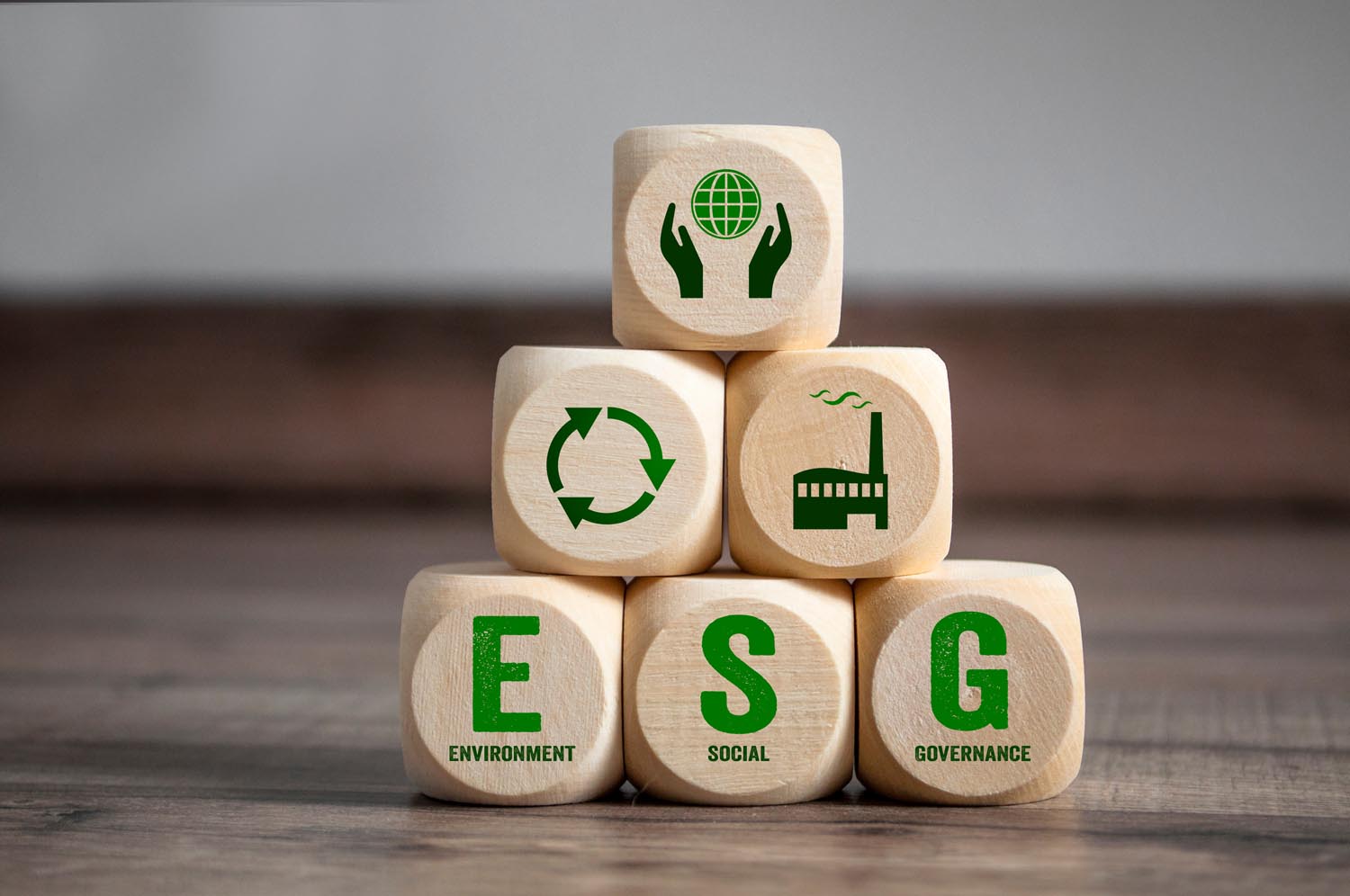

Sustainability is a concept that appears with increasing frequency in the context of global challenges – climate change, social inequalities, and the growing demands of the economy. That’s why it’s worth understanding what sustainability really means.In short, it refers to a development model that strives to balance economic growth with environmental protection and societal well-being – both today and in the future.In this article, we’ll explore what the idea of sustainability entails, how it is defined, what comprises its pillars and objectives, and what benefits does it offer for everyday life and business operations.
The pillars of sustainability
To fully grasp the meaning of sustainability, it is crucial to understand its three core pillars:
- Environmental – focused on environmental protection, combating climate change, safeguarding air and water quality, and preserving biodiversity.
- Social – includes initiatives promoting social equality, health, education, and improved quality of life.
- Economic – aims for economic growth that does not compromise environment, but instead manages and resonsibly utilises its potential.
For sustainability to a lasting impact, these these three elements must work in harmony.
Sustainability in practice
The idea of sustainability translates into tangible actions across various sectors of life and the economy. Some examples include:
- In agriculture – promoting organic farming and responsible use of natural resources.
- In construction – designing energy-efficient, low-emission buildings.
- In manufacturing – reducing waste and improving production management.
The goals of sustainability are supported by different groups — consumers, companies, and public institutions:
- Consumers, by making responsible purchasing decisions, support producers that adhere to sustainable practices.
- Businesses, by implementing sustainability strategies based on the three pillars.
- Governments, by introducing legislation that supports both ecology and the economy, investing in education, environmental regulation, and new technologies.
Let’s talk!
A sustainability strategy in business
A growing number of companies now understand how to implement sustainability strategies to meet customer and market expectations. Notably, what was once considered merely a passing trend, has become a recongised and actionable business strategy.
A well-designed sustainability strategy delivers measurable benefits:
- reduced resource consumption,
- lower costs,
- enhanced brand image,
- increased customer and partner trust.
Sustainability in business is becoming more than just a marketing tool. It is an approach that genuinely influences how companies operate and interact with their environment. Its relevance is growing each year, as environmental and social responsibility becomes the foundation of long-term success.

What are the benefits of sustainability?
The benefits of sustainability can be noticed across multiple levels — for both the planet and its people. The key advantages include:
- reduced use of natural resources,
- lower CO₂ and pollutant emissions,
- clean air and water accessible for present and future generations,
- protection of biodiversity and ecosystems,
- improved quality of life and health,
- development of green technologies and innovation.
By implementing sustainability, we can align economic progress with ecological preservation, building a more resilient and stable socio-economic system.
Conclusion
Sustainability is more than just a buzzword — it’s a practical response to modern-day challenges. Understanding what it is, what it involves, as well as its goals, pillars, and benefits allows us to better appreciate its importance and make conscious choices — as consumers, entrepreneurs, and citizens.
Collective efforts to protect the environment, ensure social justice, and strike a balance between ecology and the economy are key to a better future — for ourselves and generations to come.